
getting married at 34 vs. 24
on second chances and second weddings

I got married in the summer of 2016 at the ripe age of 24, but as my mother got married at 22, I felt as if I was already lagging behind. I was raised in the Bible Belt and had been thinking about getting married since I was old enough to know about weddings. While I now feel like I got married pretty young, no one commented on my age. My two best friends had already gotten married at ages 21 and 22. It was very culturally normal among my people; age 27 was getting dangerously into spinster territory, and 29 was being married “later in life.”
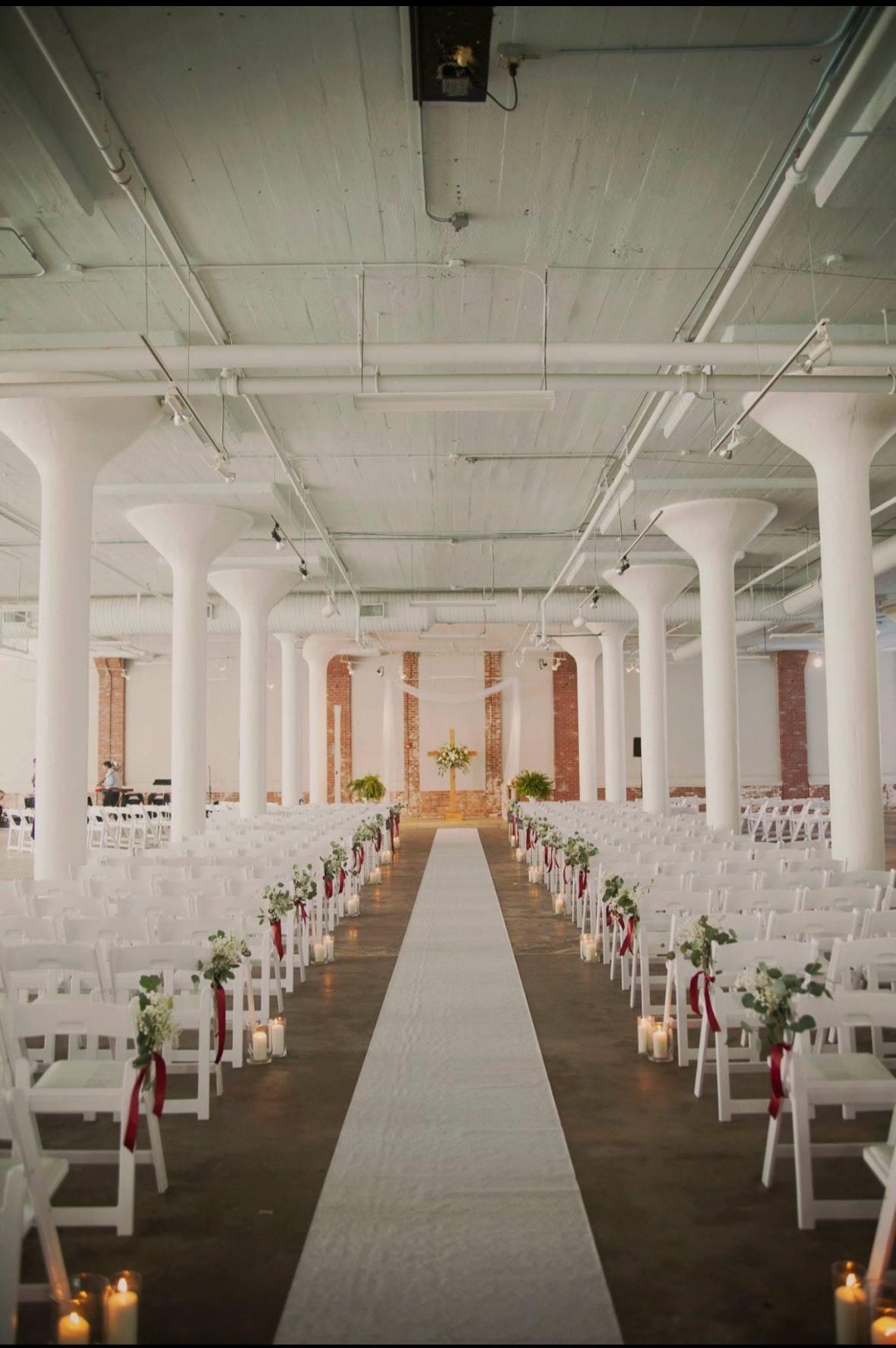
My first wedding had 360 people in attendance, and I remember feeling positively suffocated by the hundreds of tiny decisions I had to make. At the time, it was assumed that the wedding was “my thing,” and I wasn’t having an outlier experience among my friends. The joke was that the groom just got dressed, showed up, and followed the drill sergeant wedding coordinator’s instructions. I didn’t consider at the time how this sets a couple up for a less-than-ideal dynamic. I remember being asked for my opinion on everything from linen colors and buffets or heavy hors d’oeuvres to which flowers belonged in the centerpieces and which song I wanted for the recessional. I did care about having a nice wedding, but I was not and am not someone who needs her napkins to be a specific color of champagne. However, “I don’t care” is not an acceptable answer, as someone does have to pick something. We weren’t having the conversations about mental load and the division of labor the same way we do today; this was just the way it was. But it was the first time I realized that the answer, “Just pick whatever you want,” is not necessarily helpful when you are paralyzed by seemingly endless decisions.
I had a $10,000 budget for my wedding that we went slightly over, but it ended up being an incredible feat to both feed and have alcohol (read: kegs and Trader Joe’s two-buck chuck) that many people for that price. My cousin made the cake, a friend from college did my flowers, and my best friend’s mom coordinated. It was a group effort that came together beautifully.
A few things stand out to me when I recount my 24-year-old brain at that time, one of them being how much I thought about everyone else’s experience of my wedding. Instead of “What do I want?” the questions I asked myself were, “What is a good wedding supposed to look like?” “Will my soon-to-be husband like this dress?” “Am I doing everything the ‘right’ way?” I was so unsure of myself and looked to everyone else to tell me I was doing a good job of becoming a grown-up.
Another thing I remember was the emphasis in my wedding ceremony on the fact that this was really all about Jesus. That without belief in God as our center, we were doomed. It’s hard for me to remember precisely what was in the sermon, but I feel fairly confident that it was something along the lines of, “one day you guys aren’t going to like each other, but if you both have your faith in Jesus, then you’ll be fine.”
(paraphrasing, obviously!). My dad walked me down the aisle, and there was the traditional, “Who gives this man to be married to this woman?” question, and my father answered, “Her mother and I,” which felt very true. We did a combination of traditional vows and some vows that I had found on the internet that reflected a complementarian ideology (basically, separate but equal for husbands and wives) that had my then-husband saying things like, “I will lead and protect you,” and me saying that I “believed in him.”
When I got married, my life changed almost overnight. I went from having never lived with any boy to officially moving in with my husband. We got back from our honeymoon and plunged headfirst into shared life, with only a little experience doing so beforehand. We combined our bank accounts, I changed my name, and with it took on a new identity as Wife. I was thrilled about this; it was what I had always wanted.
It has been ten years, and I am, shockingly, getting married again. When I got divorced, I was scared of an endless list of things. Loneliness was not one of them. I was content with the thought of never getting married again. And while it is obviously so different to get married when you yourself are not the same person you were a decade ago, our wedding ceremony and marriage hold different meanings for me now than they did when my dad walked me down the aisle in 2016. Speaking of which, my dad will not be walking me down the aisle at this wedding. My dad is one of my favorite people on the planet, and I asked him if he had any feelings about walking me down the aisle at my wedding. His answer was, lovingly, “I want you to do whatever you want to do. And, let’s be honest, me walking you down the aisle doesn’t exactly align with you sociologically.” And that was that.
While I would still consider myself a Christian, my partner is not. He attends the church I have been part of for several years, and while there will be an element of faith in our ceremony, it will ultimately be about us getting married and our love for each other. I realize that if you were not raised in a heavily religious culture, this may sound like a given, but I have been to dozens of weddings, and only one of them had the majority of the focus on the actual couple. There will be no warnings about what will happen if we aren’t both reading our Bibles, and no specific instructions that vary by gender. I will not be asked to submit to my future husband’s leadership, a made-up concept that was created to encourage men to be basic participants in their marriages, and my soon-to-be husband will not be told to wield his power wisely.
The major difference about my upcoming nuptials is that while I believe marriage is more than a piece of paper, nothing about my life will functionally change. Aaron and I had two separate, established lives when we met, and we merged them with a reckless abandon that I would recommend to no one, even though it worked quite well for us. What began with a drawer that held some of his t-shirts escalated into moving in together (living in sin, as some like to call it) with three kids between us. We eventually combined finances, which terrified me, and I wasn’t sure if I would ever do it again, and we had to find a unified parenting rhythm through a lot of trial and error, such is everything in blended families.
I remember hearing that “playing house,” a term always dripping with disdain, made getting married less special. I used to silently agree. But then I attended my first wedding where the couple had lived together for years, and I was deeply moved. I was moved by the fact that they didn’t believe they had to get married to get most of the perks of marriage, yet they wanted to anyway. I was moved by the obvious affection they had for each other after seven years of partnership, and by how clearly excited they were about continuing their shared life, which they had already worked so hard to build. Their vows were so specific and poignant that my melancholy Gen X uncle whispered to my aunt that he hoped she knew he loved her, even though their vows had been more “traditional.”
This summer, I will get married again. I picked the dress I wanted, am having the ceremony I want, and am intentionally walking alone towards the life I chose and want. I am as sure as I have ever been. I will arrange childcare for my children during the wedding to make sure they eat something besides cake, a hilarious logistical nightmare to be a bride and still responsible for tiny people who need leak-proof cups. I will write my own vows, a practice I once found tacky that I am now itching to do (many such cases). Our wedding will be a fun party celebrating what we already know to be true in our lives: we are choosing to bind ourselves to each other in this brutal, terrifying life because together, the mundane is made magical, the joy is even more jubilant, and the pain is punctured by knowing you are in it together.
This was so beautifully written
❤️🔥❤️🔥!